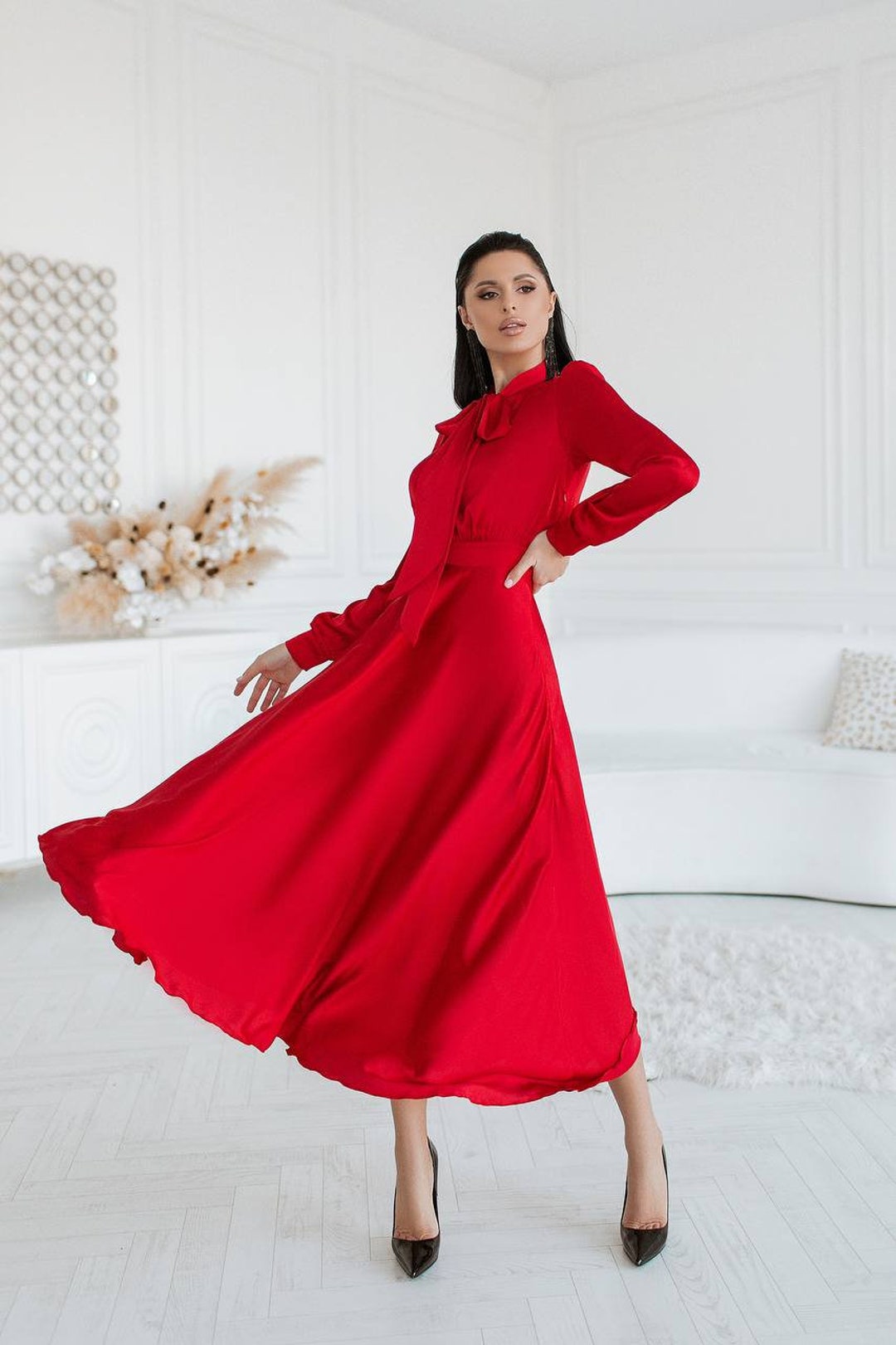
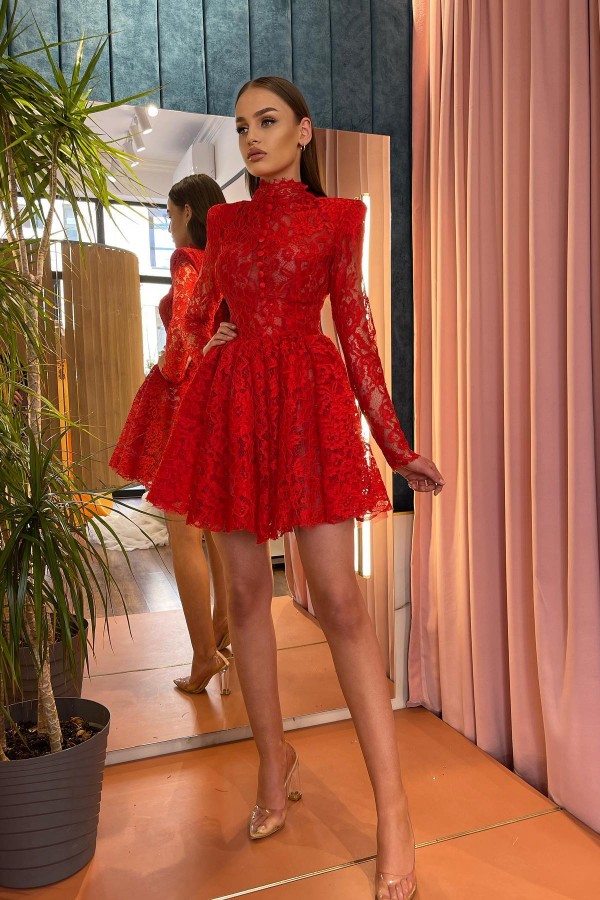
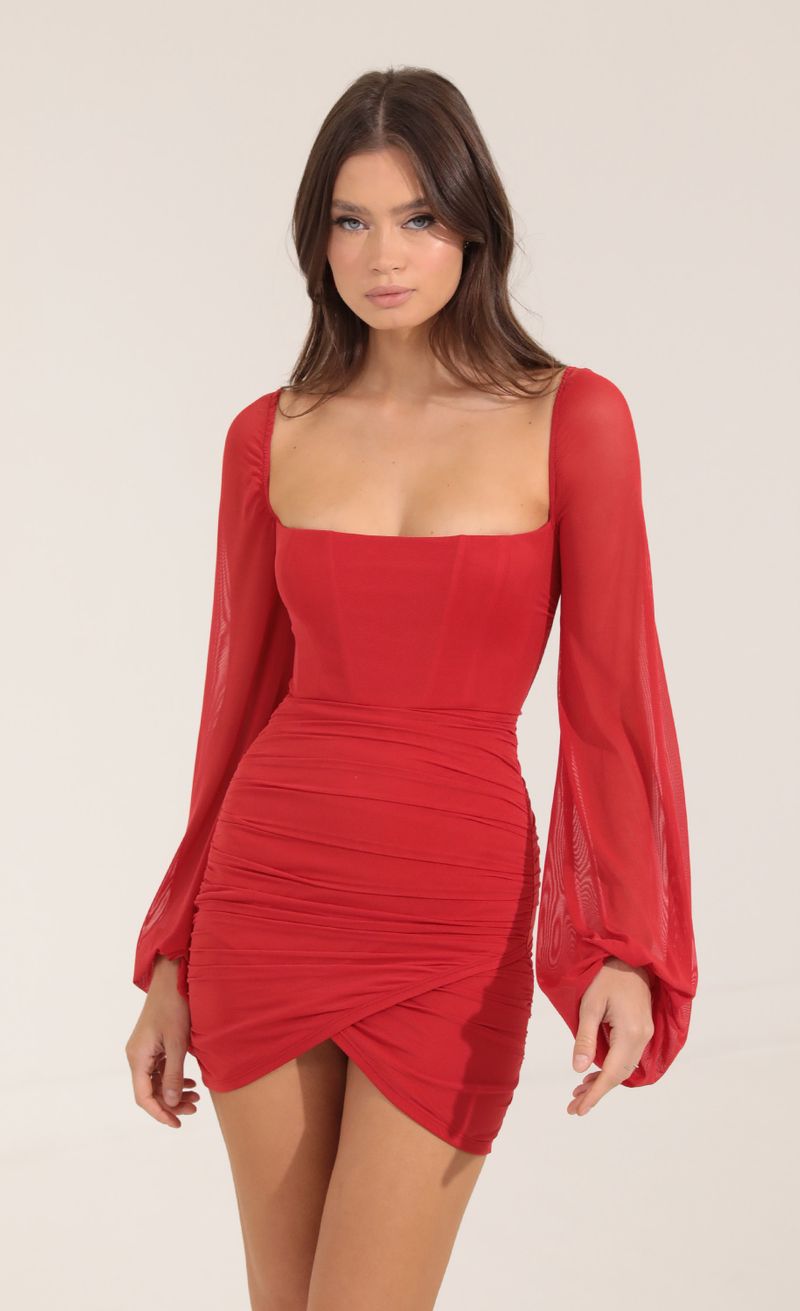
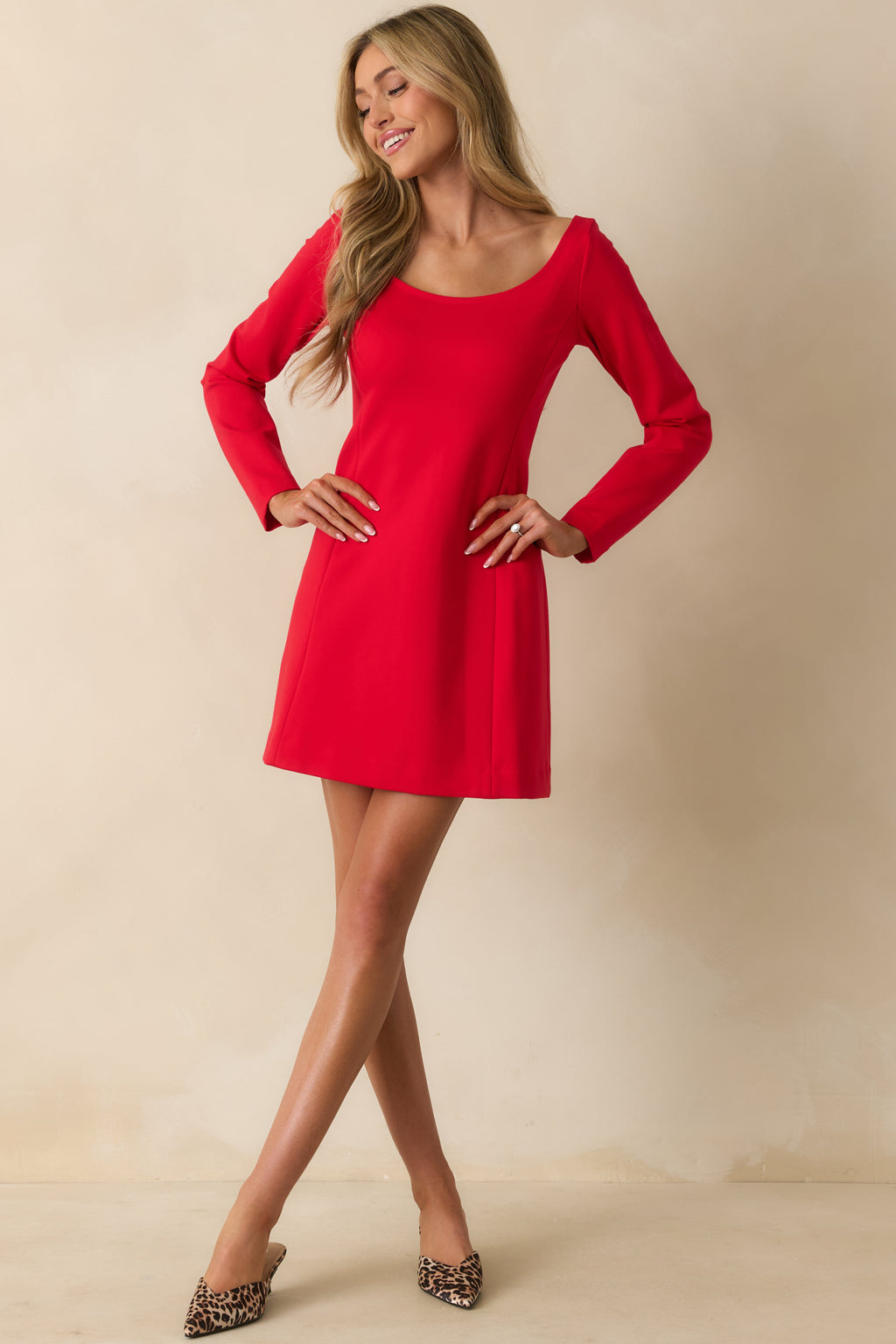
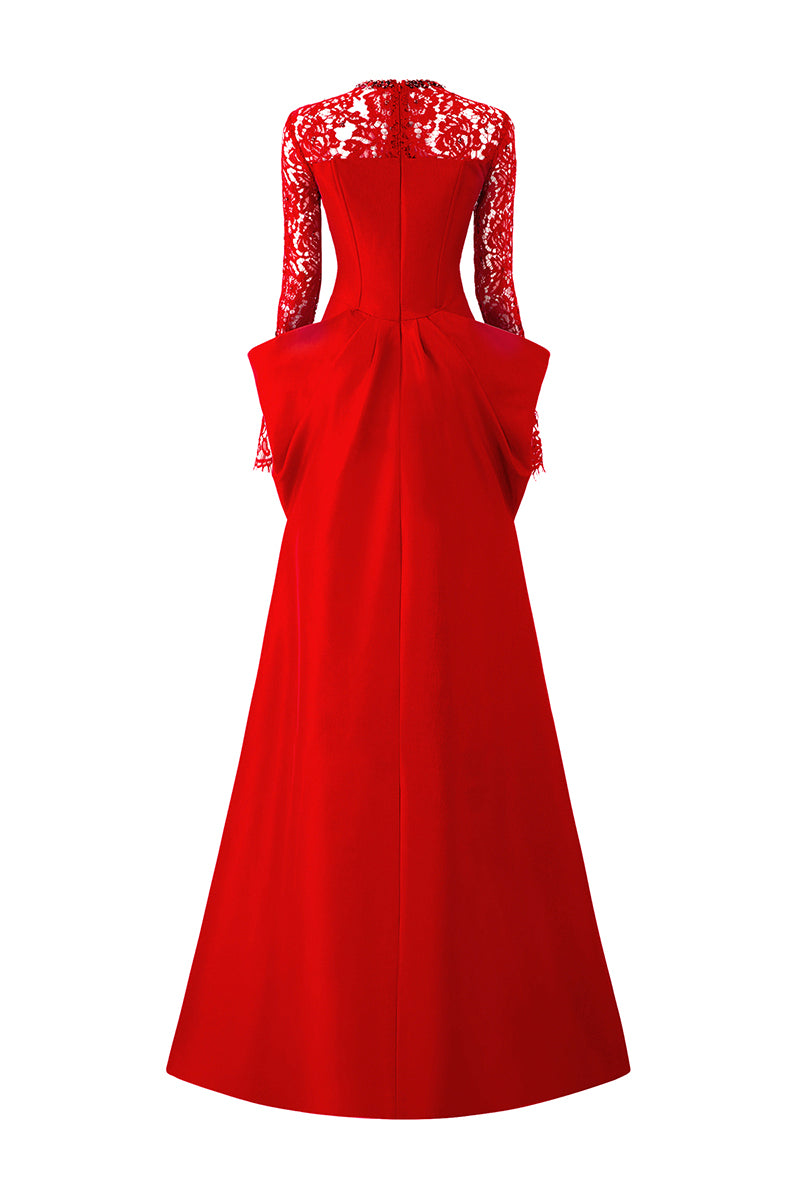
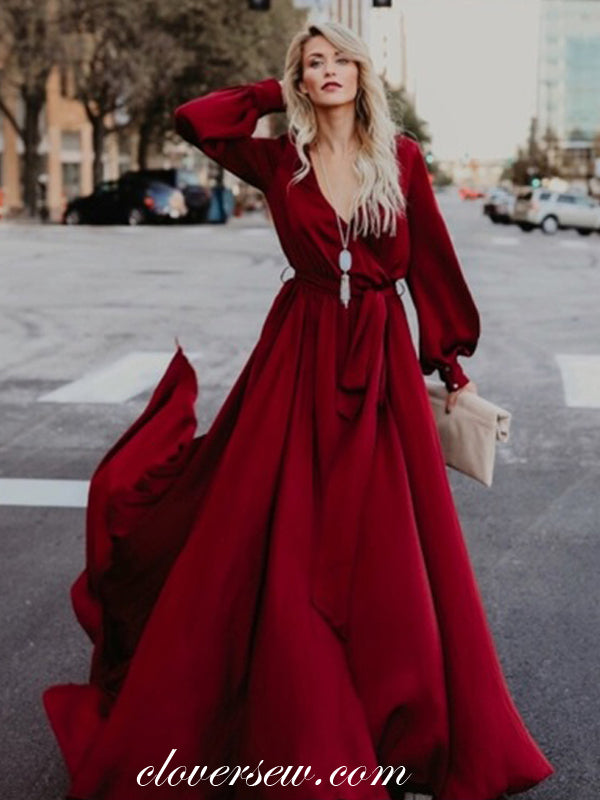
In Fashion in Costume, 1200-2000 (2000) Joan Nunn discusses the changes in fabric and color during this time: Throughout the period light colours were fairly general for evening wear and were considered more suitable for young ladies, as were cottons like muslin or tarlatan, but by the 1860s cotton had lost ground as a high-fashion fabric, and silk, satin, taffeta, faille, moir, silk poplin from Ireland, and velvet for more mature ladies, were used for formal dresses. (166-67) Red was a relatively common color at this time among the elite due to its richness, especially when created through the new aniline (synthetic) dyes that evoked novelty and opulence
This is Molly and she decided to join me for photos today
Every wedding gown, no matter its size or style, usually needs a bit of tweaking to truly embrace your unique shape and style
I gradually tempered it with more oil, honey, and mustard to create a smooth, emulsified texture and complex flavor that I absolutely love
"And I did my own hair and makeup so it wasn't costly at all!" Advertisement - Continue Reading Below Head-to-Toe Duct Tape Duck Brand Ronnita and her date's ensemble required over 90 rolls of duct tape and 400 hours to complete
- Fabric: Polyester 97.0%, Spandex 3.0%