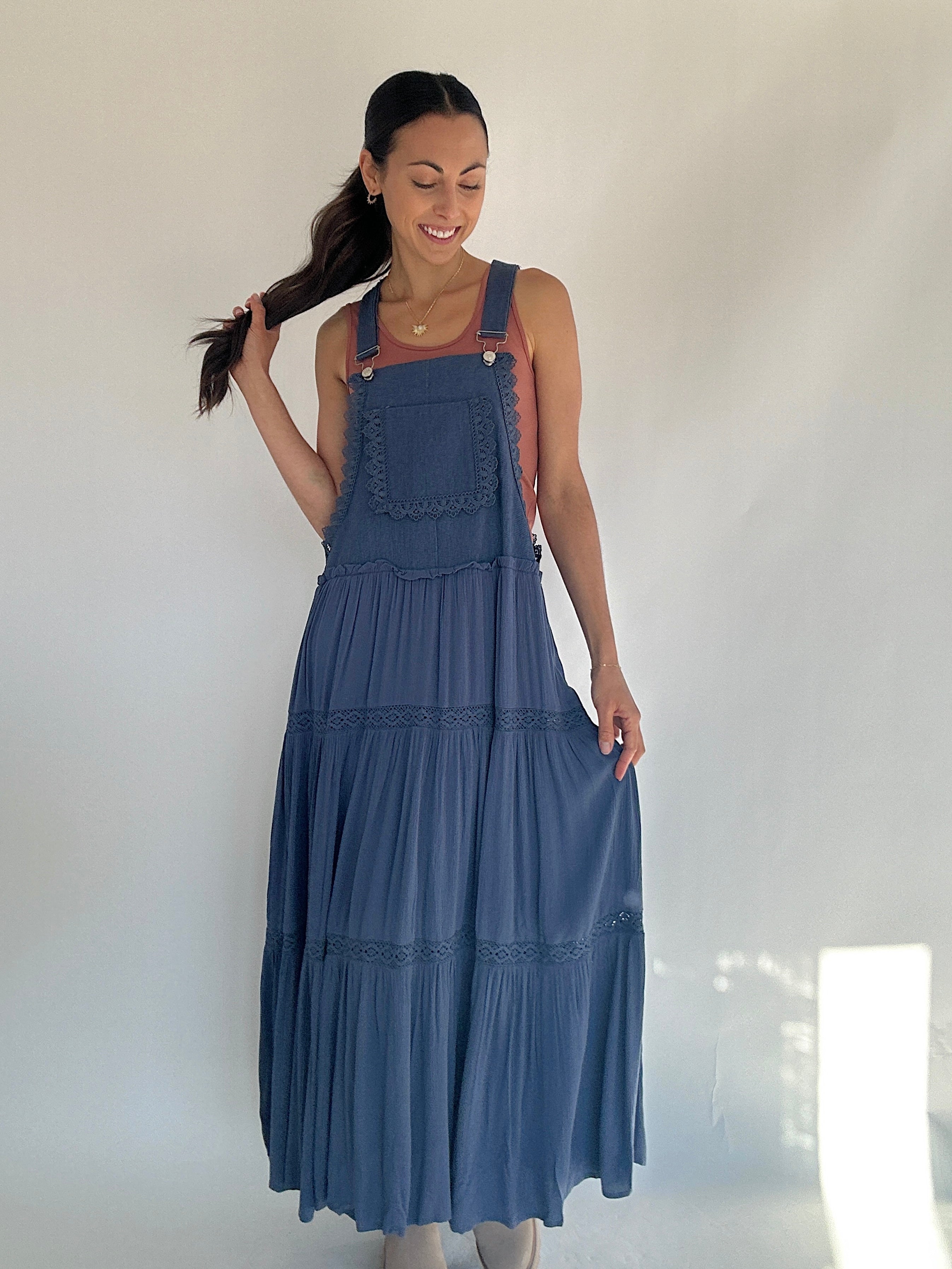
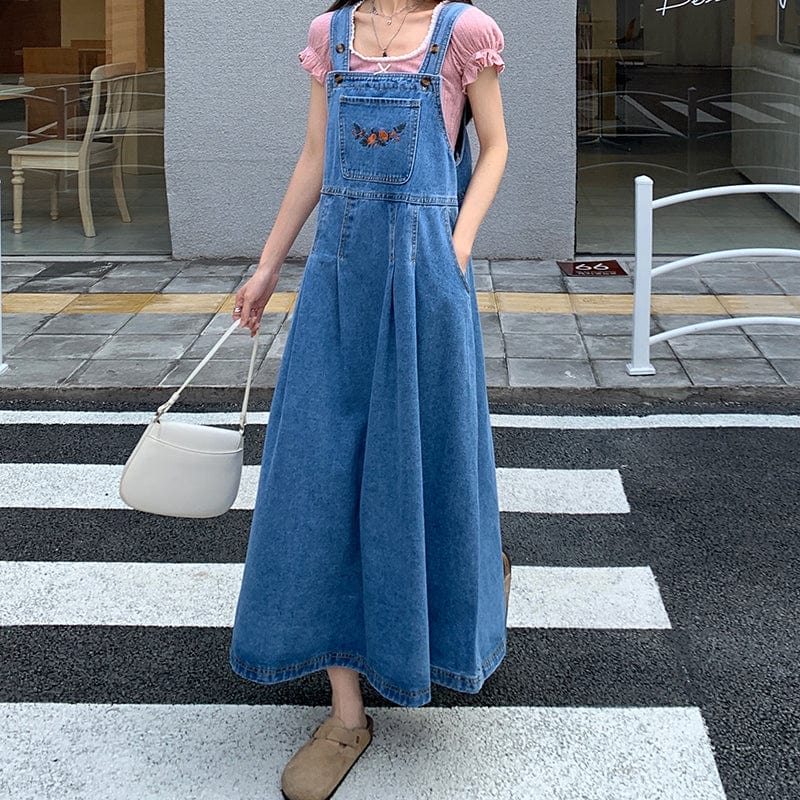
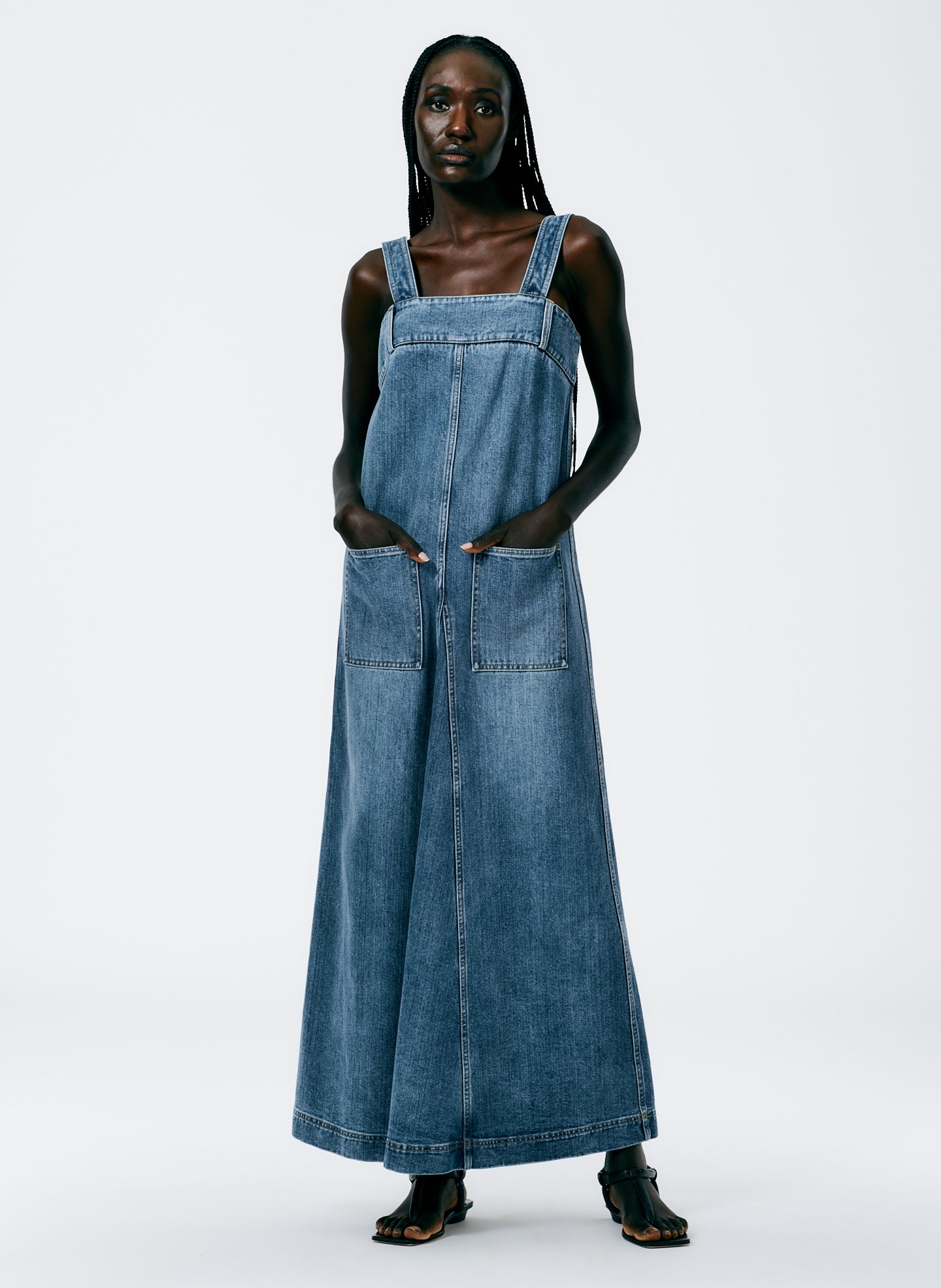
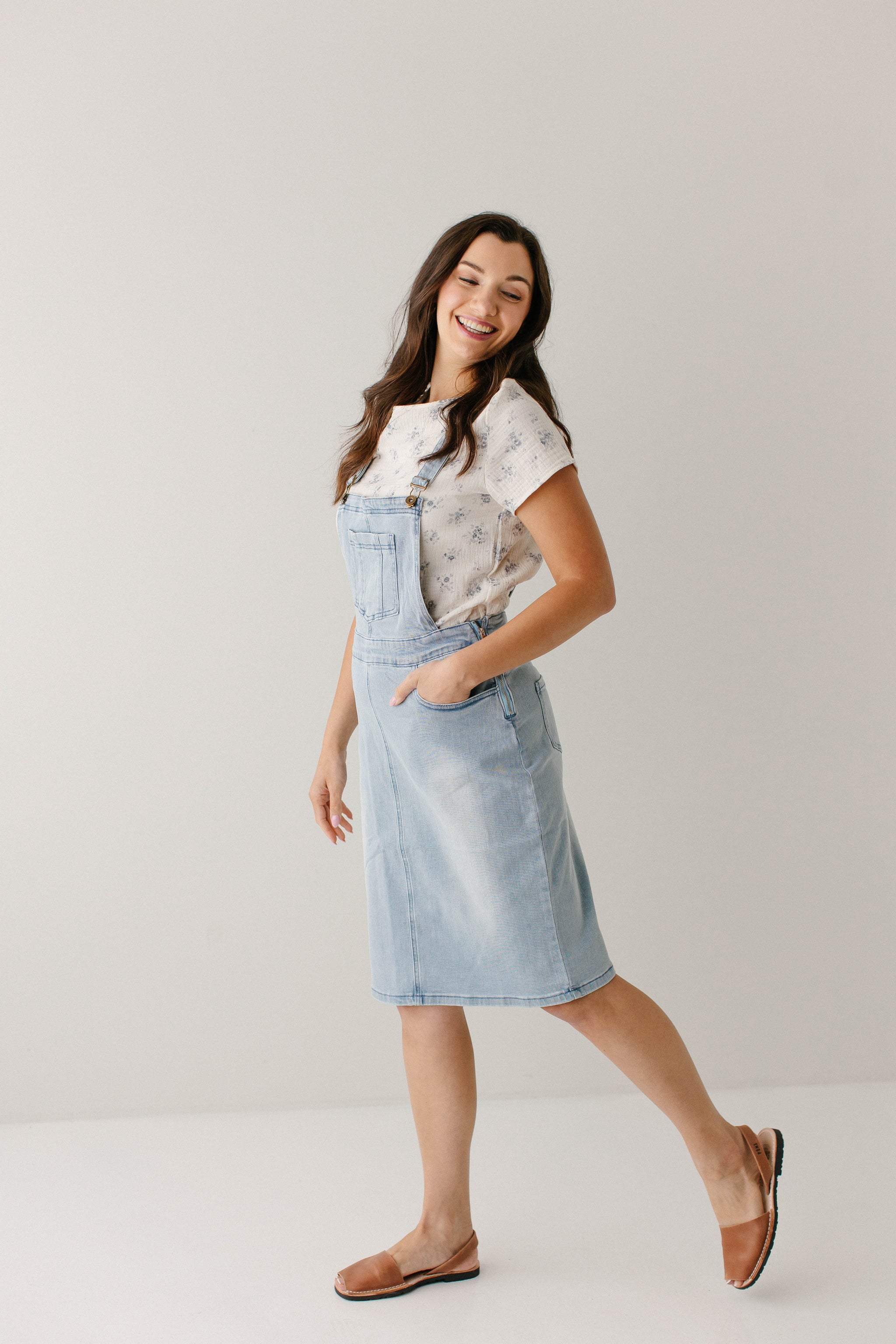
I live in the Netherlands, and would love to take this wonderful dress on vacation with me
Some may need to be used within five days, while others might last two weeks, with the same caveat that vinegar-based versions last longer than those with dairy
Our classic tiered dress is just what you need when you're looking for some laidback-yet-gorgeous style
Clothing was cut not only for comfort but for command, expression, and rank

Dressing Material Gauze Dressing Properties - Gold standard dressing - Non-adherent - Provides a protective cushion and constant pressure Clinical Applications - Clean and / or light exuding wounds - Skin incisions - Surgical bandages - Can be useful in keeping the wound bed moist if impregnated with petrolatum, iodinated compounds, or other material Advantages - Low material expense - Can be shaped and sized - Can be used with other dressings Disadvantages - Painful to remove if used dry - Non-selective debriders therefore cannot be directly used to granulating tissue Dressing Material Hydrocolloids Dressing Properties - Low to moderate absorption - Adhesive Clinical Applications - Small solitary non-draining ulcers - Light to moderate exudate wounds - After debridement - Granulating wounds Advantages - Flexible - Waterproof - Promote autolysis, angiogenesis and granulation - May be left in place for seven days Disadvantages - Occlusion may promote anaerobic infection in high risk patients - Cannot be used in infected wounds Dressing Material Hydrogels Dressing Properties - Low to moderate absorption - Non-adhesive - Quick hydration - Suitable for all stages of wound healing except heavily exuding wounds Clinical Applications - Minor burns - Painful wounds - Dry wounds Advantages - Soothing with marked pain reduction - Conform to the wound - Fill in dead spaces - Can be used on infected wounds Disadvantages - Difficult to keep in place - Encourage gram negative organisms Dressing Material Foams Dressing Properties - High absorption - Polyurethane or silicone based - Not hydrating Clinical Applications - Medium-to -high exuding wounds - Pressure ulcers - Mould for grafts - Venous ulcers (with compression) Advantages - Non-adherent - Does not damage surrounding healthy tissue - Repel contaminants - Highly conforming Disadvantages - Cannot be used on non-exudating or minimally exudating wounds Dressing Material Alginates Dressing Properties - High absorption - Not hydrating - Combine with exudate to form a gel Clinical Applications - Medium-to -high exuding wounds Advantages - Haemostatic (Kaltostat) - Easily removed without disturbing surrounding healthy tissue - Produce warm, moist environment for healing wounds Disadvantages - Foreign body reaction (extremely rare) Dressing Material Hydroactive Dressing Properties - High absorption - Non-residual Semipermeable Clinical Applications - Leg ulcers - Pressure wounds - Burns Advantages - Particularly useful over joints because they contract and expand Disadvantages - Cannot be used on dry or lightly exuding wounds Common dressings in wound care Wound care dressings (Figure 1 above) can be broadly divided into two broad groups, non-absorbing (e.g

S/M UK 6-10 M/L UK 12-16 This style is generous